

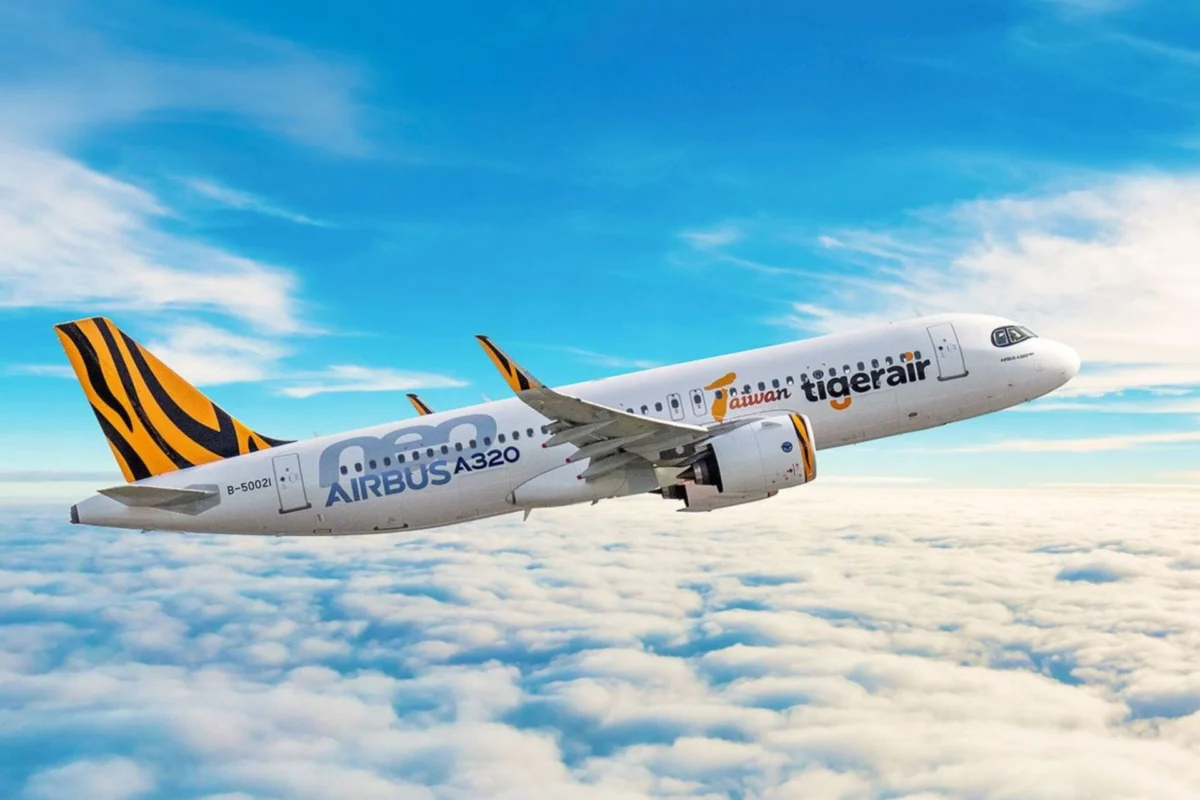
Taipei, Taiwan – July 21, 2026 – In a significant move underscoring its commitment to sustained growth and operational excellence, Tigerair Taiwan has formally inked a Memorandum of Understanding (MoU) with aviation engine giant Pratt & Whitney. This pivotal agreement will see Pratt & Whitney’s advanced Geared Turbofan™ (GTF) engines power a new fleet of 15 Airbus A321neo aircraft, comprising four firm orders and eleven leased. This strengthens a collaborative relationship that has been a cornerstone of Tigerair Taiwan’s operations for over a decade, promising a future of enhanced efficiency, reduced environmental impact, and predictable operational costs for the burgeoning low-cost carrier.
The announcement, made amidst the bustling atmosphere of the Farnborough International Airshow on July 21, 2026, arrives at a critical juncture for Tigerair Taiwan as it aggressively pursues the expansion of its regional network. This strategic decision to exclusively power its new A321neo fleet with GTF engines signifies a profound vote of confidence in Pratt & Whitney’s technology and the enduring strength of their partnership. The airline’s current fleet already benefits from GTF power, with nine A320neo family aircraft already in service, complemented by nine A320ceo aircraft equipped with IAE V2500 engines. The comprehensive agreement also includes a 12-year EngineWise® Comprehensive services agreement, a testament to Tigerair Taiwan’s long-term vision for cost predictability and unwavering performance. Deliveries of these new GTF-powered aircraft are slated to commence in 2028, setting the stage for a new era of regional connectivity.
A Decade of Trust: The Evolution of a Strategic Alliance
The relationship between Tigerair Taiwan and Pratt & Whitney is not a nascent one; it is a testament to sustained collaboration and mutual trust built over more than ten years. Since its inception in 2014, Tigerair Taiwan has relied on Pratt & Whitney for the propulsion of its fleet, a partnership that has demonstrably supported its journey from a startup airline to a significant player in the regional aviation landscape. This latest MoU signifies an amplification of that trust, with the GTF engine poised to be the exclusive power source for the airline’s expanding A320neo family fleet.
Rick Deurloo, President of Commercial Engines at Pratt & Whitney, articulated the significance of the agreement, stating, "This order is a powerful affirmation of Tigerair Taiwan’s confidence in Pratt & Whitney. They have exclusively powered the airline’s fleet since its inception, and we are proud to continue that legacy with the Geared Turbofan engine. The GTF is instrumental in supporting their regional expansion ambitions while delivering exceptional fuel efficiency and a reduced environmental footprint." Deurloo further emphasized that the GTF’s advanced technology aligns perfectly with the demands of a growing low-cost carrier operating in competitive regional markets.
Echoing these sentiments, Joyce Huang, Chairperson of Tigerair Taiwan, highlighted the deep-rooted nature of their partnership. "Pratt & Whitney has been an indispensable and trusted partner since Tigerair Taiwan first took to the skies in 2014," Huang stated. "This new fleet of A321neo aircraft, powered by the state-of-the-art GTF engines, will be a crucial enabler of our next phase of growth. We are committed to serving an increasing number of passengers across a wider array of destinations, and doing so at a lower cost per seat. The GTF’s efficiency and reliability are paramount to achieving these strategic objectives."
The foresight of Tigerair Taiwan in securing this comprehensive engine and services agreement underscores its strategic approach to fleet management. By engaging in a long-term EngineWise® Comprehensive services agreement, the airline is not merely purchasing engines; it is investing in a holistic solution designed to optimize engine performance, minimize unplanned downtime, and provide clear visibility into maintenance costs. This proactive approach is particularly crucial for low-cost carriers where operational efficiency and cost control are paramount to profitability and customer affordability.
The Efficiency Imperative: Unpacking the GTF Advantage
The selection of Pratt & Whitney’s GTF engines for Tigerair Taiwan’s new A321neo fleet is rooted in a compelling case for efficiency, sustainability, and advanced technology. The GTF engine, renowned for its revolutionary geared architecture, represents a significant leap forward in aircraft propulsion. Pratt & Whitney asserts that this innovative design delivers a remarkable 20% reduction in fuel consumption compared to previous generation engines. This substantial fuel saving translates directly into lower operating costs for airlines, a critical factor for low-cost carriers like Tigerair Taiwan, enabling them to offer more competitive fares to passengers.
Beyond the direct economic benefits, the GTF engine also champions environmental responsibility. Its advanced combustion technology and optimized airflow contribute to significantly lower emissions, aligning with the growing global imperative for sustainable aviation. Furthermore, the GTF boasts a dramatically reduced noise footprint, estimated to be 75% smaller than that of older engine models. This reduction in noise pollution is not only beneficial for communities surrounding airports but also contributes to a more pleasant flying experience for passengers.
The widespread adoption of the GTF engine across the global aviation industry speaks volumes about its proven performance and reliability. As of the announcement, more than 2,800 GTF-powered aircraft are in active service with over 90 airlines worldwide. This impressive operational footprint is further bolstered by a robust order backlog exceeding 8,000 units, indicating sustained and growing demand for the platform. This significant market penetration provides Tigerair Taiwan with the assurance of a mature and well-supported engine technology, backed by a global network of service and support centers.
A Foundation for Future Innovation
Pratt & Whitney views the GTF engine not just as a current-generation marvel but as a foundational technology for the future of aviation propulsion. The inherent design principles and technological advancements embedded within the GTF serve as a critical building block for upcoming innovations in engine development. This forward-looking perspective ensures that airlines investing in the GTF today are aligning themselves with the trajectory of future aerospace advancements, positioning them to benefit from continuous improvements and next-generation technologies as they emerge.
The implications of this extend beyond mere technological upgrades. As aviation faces increasing pressure to decarbonize, Pratt & Whitney’s commitment to evolving the GTF platform and developing new sustainable propulsion solutions is a significant advantage. For airlines like Tigerair Taiwan, this means a long-term partnership that is not only focused on current operational needs but also on future-proofing their fleet against evolving environmental regulations and passenger expectations. The GTF’s adaptable architecture is designed to incorporate future advancements, potentially including hybrid-electric or hydrogen-powered systems, thereby ensuring its relevance and continued contribution to sustainable aviation.
Implications for Tigerair Taiwan and the Regional Market
The strategic decision by Tigerair Taiwan to equip its new A321neo fleet with GTF engines carries significant implications for the airline’s future operations and its position within the competitive regional aviation market.
Enhanced Network Expansion: The A321neo, powered by the fuel-efficient GTF engines, offers greater range and capacity compared to previous generations of aircraft. This will enable Tigerair Taiwan to explore new, longer-haul regional routes that may have previously been uneconomical or technically challenging. This expanded route network will allow the airline to tap into new markets, attract a broader customer base, and further solidify its presence across Asia.
Cost Competitiveness: The 20% fuel efficiency advantage of the GTF directly translates into lower operating costs. For a low-cost carrier, this is a critical competitive differentiator. Reduced fuel burn allows Tigerair Taiwan to maintain its commitment to offering affordable fares, attracting price-sensitive travelers and capturing market share from legacy carriers. Furthermore, the predictable maintenance costs associated with the EngineWise® Comprehensive services agreement will help the airline manage its financial exposure and maintain profitability.
Environmental Stewardship: By adopting the GTF, Tigerair Taiwan demonstrates a commitment to environmental responsibility. The reduced fuel consumption and lower emissions align with growing passenger and regulatory demand for sustainable travel options. This proactive stance can enhance the airline’s brand image and appeal to environmentally conscious travelers. The reduced noise footprint will also contribute to better community relations around the airports it serves.
Fleet Modernization and Standardization: The agreement streamlines Tigerair Taiwan’s fleet strategy. By powering its new A321neos with the same engine technology as its existing A320neos, the airline can achieve greater operational efficiencies through pilot training standardization, maintenance commonality, and a more unified spare parts inventory. This standardization simplifies logistics, reduces training costs, and enhances overall operational flexibility.
Strengthening the Partnership Ecosystem: The extended agreement with Pratt & Whitney reinforces the robust ecosystem of suppliers and partners that underpin Tigerair Taiwan’s operations. A strong, long-term relationship with a key engine manufacturer provides stability, access to technical expertise, and a reliable supply chain, all of which are crucial for sustained airline growth and operational resilience.
A Glimpse into the Future of Regional Aviation
The MoU between Tigerair Taiwan and Pratt & Whitney is more than just a commercial transaction; it is a strategic alignment that points towards the future of regional aviation. It highlights the critical role of advanced engine technology in enabling airlines to achieve ambitious growth targets while simultaneously addressing the growing imperative for efficiency and sustainability. As Tigerair Taiwan continues to expand its wings across the region, the quiet hum of its GTF-powered A321neos will undoubtedly signify a new era of accessible, efficient, and increasingly responsible air travel. The partnership, forged over a decade and now strengthened for the years to come, promises to be a powerful engine for both Tigerair Taiwan’s success and the evolution of the regional aviation landscape.
 Asro
Asro  Dwi Wanna